


Nostalgic fantasies of the British Raj
Shattered Lands: Five
Partitions and the Making of Modern
Asia by Sam Dalrymple; e Indian
Caliphate: Exiled Ottomans and the
Billionaire Prince by Imran Mulla

Booty contest
This book sets out to rebalance ahistorical narratives of how museum collections were constructed

Four women seers in a time of strife
Eilenberger’s design is to present philosophy outside the lecture theatre in its life-transforming power

Goodbye to the Gorgoneion
Can we invent myths or are they what make us what we are?
Most Read

Gary Stevenson is wrong about wealth taxes
The popular economist is irritating, but more importantly he is mistaken

Tame Impala fails to impress
unconquered by a
taste of Crusader food

Why they hated Ann Widdecombe
Fair-minded people could agree or disagree with her opinions. Left-wing bigots hated her for not abandoning them

Ethnic minorities are abandoning Labour
It is not just Muslim voters who have been abandoning the Labour Party

How to fix the economy
A repentant ex-financial trader tells all

Broken windows
If small instances of disorder are neglected, greater ones will soon be committed

What if the AI bubble bursts?
Arguing that an AI bubble is a good thing reeks of techno-optimist complacency

Trump will not discredit Europe’s populist right
European populism is a lot deeper than mere Trumpism

Right-wing fight night
A debate over the future of right-wing politics in Britain offered little heat and less light

Where are all the ambitious Scots?
Whole sectors were once dominated by Caledonian migrants

Cry sod Harry, England and St George
Why aren’t people proud to be English?
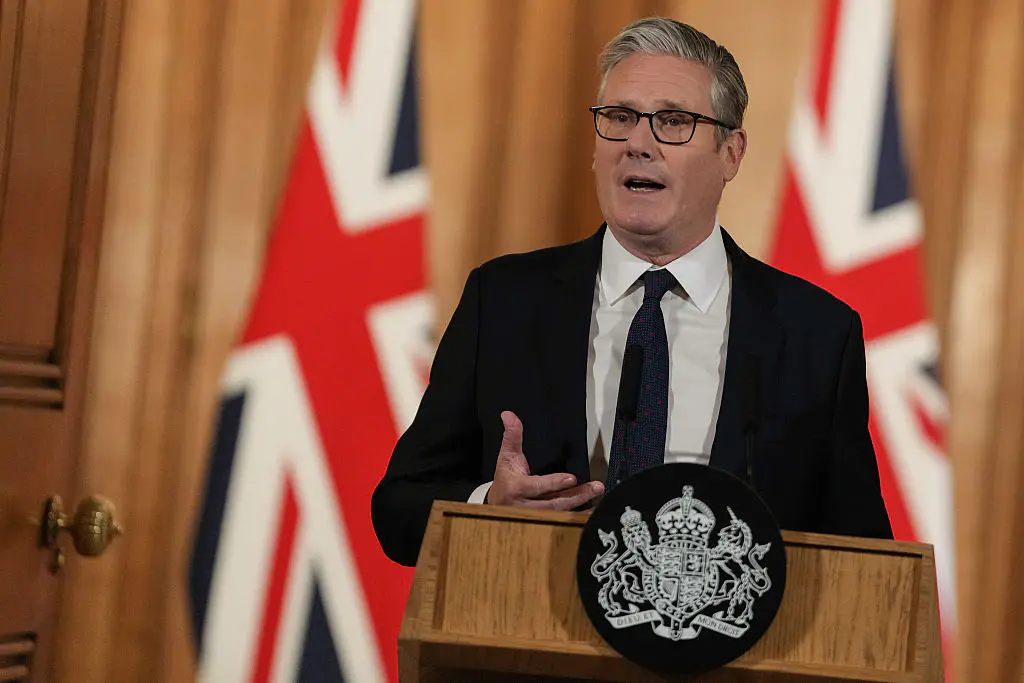
Once more unto the speeches
There was a great deal of talking today, but how much of it meant anything?

Among the true believers
Belgium’s cycling culture is unique, and increasingly under threat

Critical briefing: local elections
Our political editor explains what to look out for in Thursday’s elections

The right does need religion
Christianity is politically valuable as well as, you know, true

Nigel Farage, community leader
The logic of multiculturalism is turning on its architects